
All-Season vs. All-Weather Tires: What’s the Difference & Which Should You Choose?
Posted by WheelSetGo on 3rd Nov 2025
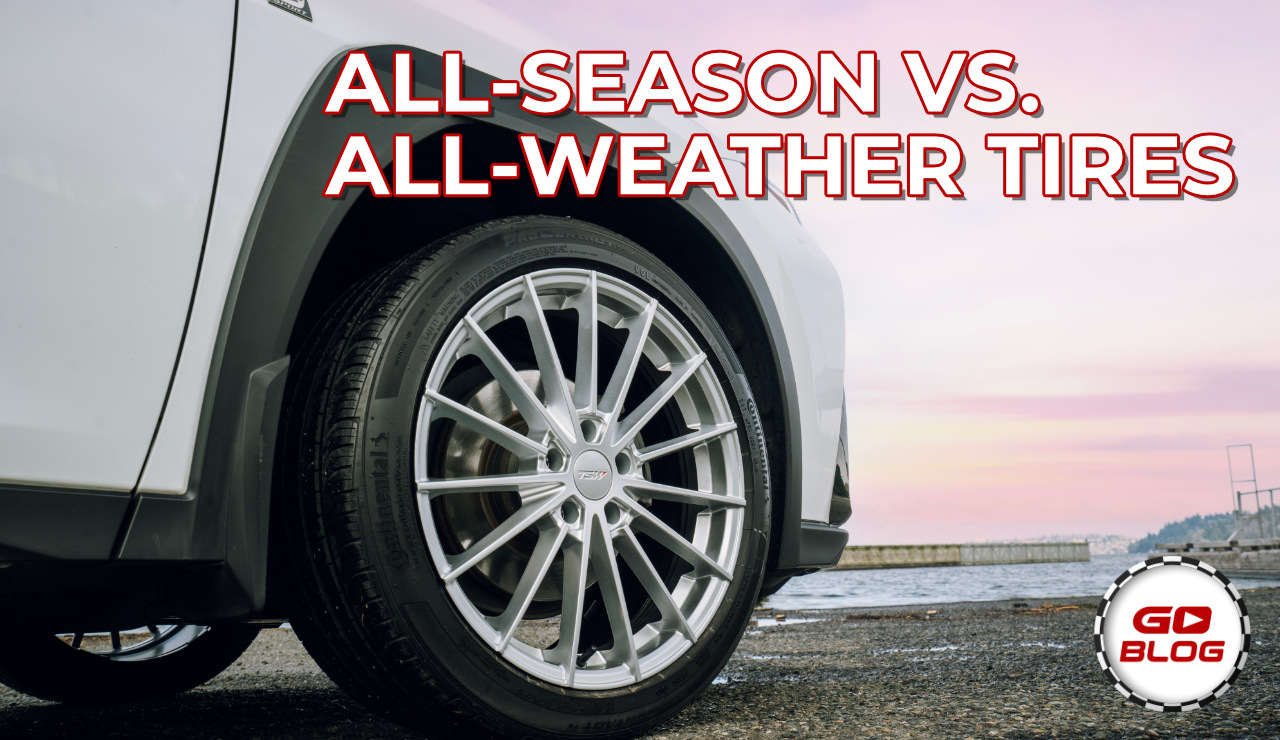
All-Season vs. All-Weather Tires: What’s the Difference & Which Should You Choose?
As the seasons change and drivers prepare for unpredictable weather, one common question arises: What's the real difference between all-season and all-weather tires? Many people use these terms interchangeably, but they're not the same. Understanding the distinctions can help you choose the right tires for your vehicle, ensuring safety, performance, and longevity. At WheelSetGo, we specialize in mounted and balanced wheel and tire packages, and we're here to break it down for you. Whether you're upgrading your daily commuter or outfitting an SUV for family trips, this guide will clarify the options and help you make an informed decision.
Core Differences Between All-Season and All-Weather Tires
At first glance, both all-season and all-weather tires are designed for year-round use, providing a balance of traction in dry, wet, and light winter conditions without the need for seasonal swaps. However, the key differences lie in their construction, performance thresholds, and certifications.
- Tread Compound: All-season tires use a rubber compound optimized for warmer temperatures (above 45°F), offering good durability and fuel efficiency in dry and wet conditions. However, this compound hardens in colder weather, reducing flexibility and grip. All-weather tires, on the other hand, feature a more advanced, softer compound that remains pliable even below 40°F, providing better traction in cold, slushy, or icy conditions without sacrificing too much in summer heat.
- Tread Patterns and Siping: All-season tires typically have a symmetrical or asymmetrical tread design with moderate siping (small slits in the tread) for water evacuation and basic snow traction. All-weather tires take this further with more aggressive siping, deeper grooves, and sometimes directional patterns that enhance snow and ice performance while still handling rain effectively.
- Certifications and Symbols: The biggest telltale sign is the Three-Peak Mountain Snowflake (3PMSF) symbol. All-weather tires earn this certification by meeting severe snow traction standards set by the U.S. Tire Manufacturers Association, making them legally acceptable as winter tires in regions with snow tire requirements. Traditional all-season tires lack this symbol and are not rated for severe winter use.
In essence, all-weather tires are an enhanced version of all-season tires, bridging the gap between standard all-seasons and dedicated winter tires. They're ideal for drivers who experience occasional snow but don't want the hassle of swapping sets twice a year.
Pros and Cons Comparison
| Aspect | All-Season Tires | All-Weather Tires |
|---|---|---|
| Warm Weather Performance | Excellent dry grip and handling; quieter ride; better fuel efficiency due to lower rolling resistance. | Good, but may wear faster in extreme heat compared to pure all-seasons. |
| Cold Weather Traction | Adequate in light snow; grip diminishes below 45°F as rubber hardens. | Superior in snow, slush, and ice; remains flexible in sub-freezing temps. |
| Wet Traction | Strong hydroplaning resistance with effective siping. | Excellent, often matching or exceeding all-seasons due to advanced compounds. |
| Durability and Tread Life | Typically longer-lasting (50,000–70,000 miles); more resistant to summer wear. | Slightly shorter lifespan (40,000–60,000 miles) due to softer materials. |
| Cost | Generally more affordable upfront. | Higher initial price, but can save money by eliminating seasonal tire changes. |
| Noise and Comfort | Smoother and quieter on highways. | Comfortable, but some models may produce more road noise in dry conditions. |
| Best For | Mild climates with minimal winter weather. | Variable climates with occasional snow or cold snaps. |
When to Choose Each Type
Your choice depends on your driving habits, vehicle type, and local weather patterns. Since WheelSetGo ships to the lower 48 states, we cater to a wide range of conditions—from sunny California highways to rainy Pacific Northwest commutes.
Choose All-Season Tires If:
- You live in a mild climate with rare snowfall (e.g., Southern states).
- Your driving is mostly highway or city, prioritizing comfort, low noise, and fuel economy.
- You own a sedan, coupe, or compact SUV and want longer tread life without winter-specific needs.
- Example Scenario: A daily commuter in Texas dealing with occasional rain but no ice—opt for all-seasons to maximize mileage and minimize costs.
Choose All-Weather Tires If:
- You experience variable weather, including light to moderate snow or frequent cold snaps (e.g., Midwest or Northeast).
- You prefer one set of tires year-round to avoid storage and installation fees for winter tires.
- Your vehicle is a crossover SUV, truck, or performance car that needs reliable traction in mixed conditions.
- Example Scenario: A family in the Midwest with an SUV for weekend trips—all-weather tires ensure safe handling in slush without swapping sets.
If you face heavy snow or extreme winters, dedicated winter tires are still the gold standard, but all-weather options can handle milder cold better than all-seasons. Always check your vehicle's manual for recommended tire types and sizes to ensure proper fitment.
Recommendations from WheelSetGo
At WheelSetGo, we carry all major tire brands and offer pre-mounted, balanced wheel and tire packages for easy installation. Here are some top picks based on current models that are widely available and highly rated for performance. These can be paired with aftermarket wheels for a custom look and enhanced handling.
Top All-Season Tire Recommendations
- Michelin Defender 2: Known for exceptional tread life (up to 80,000 miles) and quiet ride, ideal for sedans and minivans. Great for dry and wet roads with strong hydroplaning resistance.
- Bridgestone Turanza QuietTrack: Offers premium comfort and noise reduction, perfect for luxury vehicles. Excellent in wet conditions with a focus on long-lasting performance.
- Continental TrueContact Tour: Balances affordability with all-around traction; popular for compact cars and SUVs. Features EcoPlus technology for better fuel efficiency.
- Goodyear Assurance ComfortDrive: Provides a smooth, comfortable drive with good wet grip, suitable for family vehicles like crossovers.
Top All-Weather Tire Recommendations
- Pirelli Cinturato WeatherActive: Tops many performance tests for balanced dry, wet, and snow performance; excellent for performance-oriented drivers.
- Michelin CrossClimate2: A bestseller with thermal adaptive tread for year-round versatility; strong in snow and rain, with up to 60,000 miles of wear.
- Bridgestone WeatherPeak: Reliable for SUVs and trucks, offering superior ice traction and a quiet ride; highly rated for durability in mixed weather.
- Goodyear Assurance WeatherReady: Affordable all-weather option with aggressive siping for snow; great for variable climates without breaking the bank.
- Firestone WeatherGrip: Budget-friendly yet effective, with 3PMSF certification for light winter use; ideal for everyday commuters.
Wrapping Up
Choosing between all-season and all-weather tires boils down to your climate and driving needs—all-seasons for consistent mild weather, all-weather for added winter confidence without the swap. Both options can elevate your ride when paired with quality wheels from WheelSetGo.
Questions about fitment? Call us at 320-247-6160 for expert advice and personalized recommendations.