
EV Tires & Wheels 101: What Every Electric Vehicle Owner Needs to Know
Posted by WheelSetGo on 26th Mar 2025
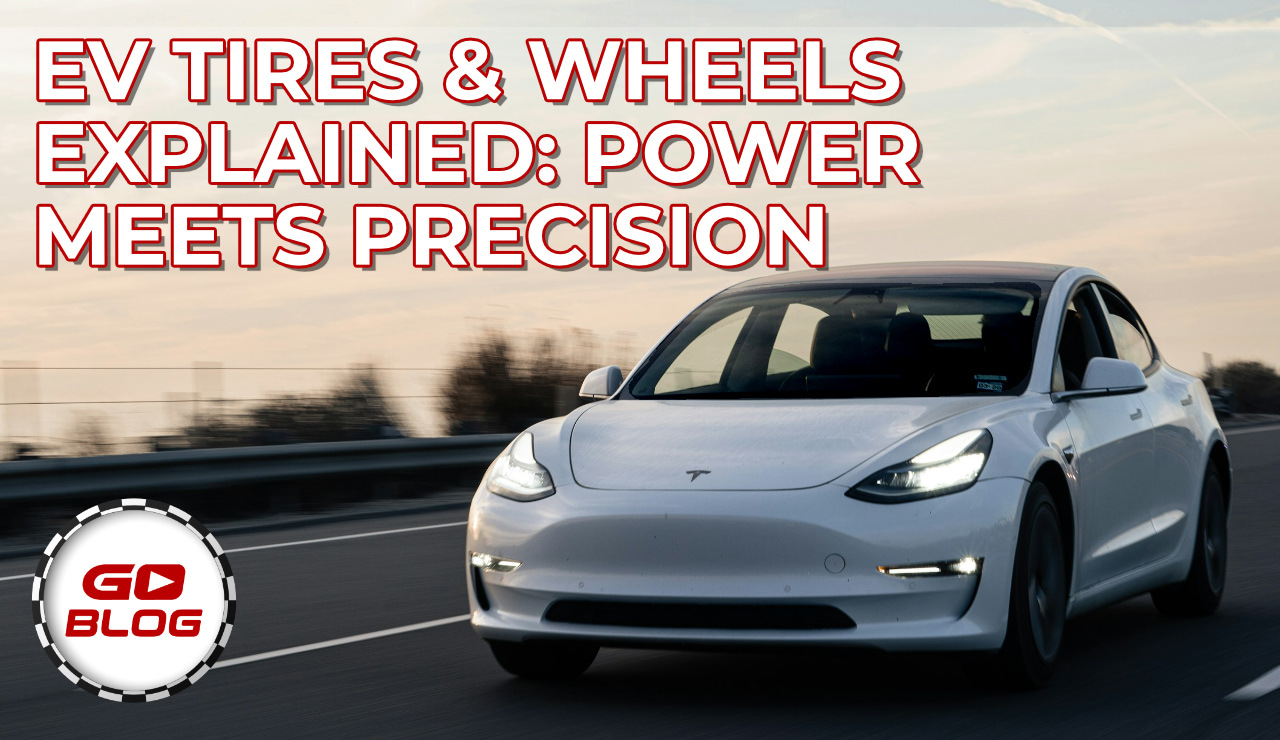
EV Tires & Wheels 101: What Every Electric Vehicle Owner Needs to Know
Electric vehicles (EVs) are rewriting the rules of driving—from the way they accelerate to how they save energy and reduce noise. But with that evolution comes new demands on components we once took for granted—especially tires and wheels.
If you’re driving an EV like the Tesla Model 3, Ford Mustang Mach-E, or Hyundai Ioniq 5, the tires you choose aren’t just about grip and style—they’re about range, ride quality, and overall vehicle performance. The same goes for wheels: wrong size or weight, and you could be shaving miles off your charge without realizing it.
In this guide, we’ll break down what makes EV tires and wheels different, how to choose the right ones, and what you can do to maintain peak performance over time.
1. Why EV Tires Matter
Tires have always been essential, but for EVs, they’re mission-critical. Unlike traditional gas-powered cars, EVs carry a hefty battery pack that significantly increases their overall weight. This added mass demands tires with higher load capacities, reinforced sidewalls, and durable materials that can handle the pressure—literally.
And then there's the torque. Electric motors deliver power instantly, meaning your tires have to cope with rapid acceleration on a regular basis. That instant torque feels thrilling, but it can wear down standard tires much faster than you'd expect. As a result, EV-specific tires are engineered with tougher rubber compounds and optimized tread patterns for improved traction and longevity.
Another big factor? Efficiency. EV owners are often range-conscious, and tire rolling resistance plays a huge role in how far you can travel on a single charge. Tires with low rolling resistance can boost your range significantly—some estimates suggest as much as a 7–10% improvement just by switching to more efficient rubber.
The bottom line: EVs push tires to their limits in unique ways. If you’re still riding on stock tires or generic replacements, you might be missing out on performance, safety, and range.
2. Key Features of EV Tires

When shopping for EV tires, not just any set will do. These key features separate the right choice from the risky one:
Load Capacity
EVs are heavier than internal combustion engine vehicles—sometimes by several hundred pounds. This extra weight, mainly from the battery pack, means your tires need a higher load index. For example, tires recommended for the Tesla Model 3 often feature reinforced constructions to safely carry the load without compromising performance.
Rolling Resistance
Rolling resistance is how much energy your tires need to keep moving forward. Lower resistance = less strain on your battery = longer range. Tires like the Sailun ERange or Michelin Pilot Sport EV are engineered specifically to reduce this resistance while still delivering a responsive, grippy ride.
Durability and Traction
Instant torque is great for acceleration—but rough on your tires. That’s why EV tires use stronger compounds and optimized tread patterns that balance wear resistance with traction. You’ll want tires that can handle rapid power delivery without wearing out prematurely.
Road Noise Reduction
Because EVs are nearly silent under the hood, tire noise becomes a bigger deal. Many EV-specific tires include noise-reduction features like acoustic foam inserts to dampen vibrations and provide a quieter ride. It’s a small feature with a big impact on in-cabin comfort.
3. Choosing the Right Wheels for Your EV
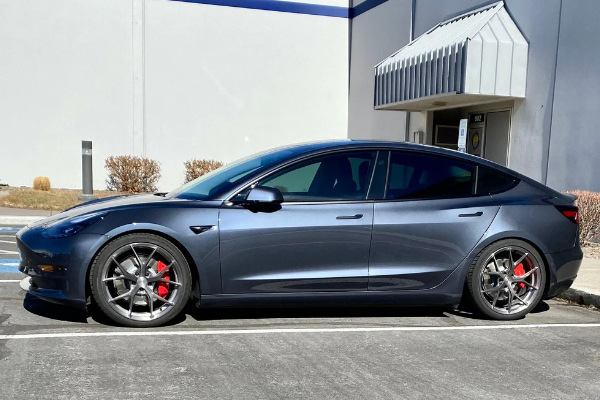
Tires aren’t the only upgrade to consider. Wheels can dramatically affect performance, range, and ride quality—especially for EVs.
Impact on Range
Bigger isn’t always better. Larger wheels may look cool, but they typically weigh more and increase aerodynamic drag—both of which can hurt your range. For example, a 20-inch wheel setup may reduce efficiency compared to 18-inch wheels at highway speeds. If maximizing miles is your goal, choosing smaller, lighter wheels may actually be a smart move.
Material and Design
While there aren’t many EV-specific aftermarket wheels on the market yet, choosing wheels made from lightweight materials like flow-formed or forged aluminum can help offset the extra weight of an EV’s battery pack. Aerodynamic styling is another bonus, helping to reduce drag and support overall efficiency.
Compatibility Counts
When selecting aftermarket wheels for your EV, it's important to confirm compatibility with your vehicle's load rating, bolt pattern, offset, and brake clearance. EVs often have different suspension and brake setups than gas-powered models, so it’s crucial to choose wheels that meet both safety standards and performance expectations.
4. Practical Maintenance Tips for EV Tires and Wheels
To get the most life (and performance) out of your EV tires and wheels, a little routine maintenance goes a long way.
Check Tire Pressure Monthly
Even a small drop in tire pressure can reduce your range by up to 4%. Keep a digital tire gauge in your glovebox and check regularly, especially during seasonal changes.
Rotate Your Tires Every 6,000 Miles
EVs can cause uneven tire wear due to weight distribution and torque. Rotating your tires as recommended (or sooner) ensures even tread wear and better handling.
Inspect Tread and Sidewalls
EVs can wear out tires faster. Look for signs of uneven wear, cracking, or bubbling—especially if you frequently drive in high-torque scenarios or rough weather.
Consider a Smart TPMS
Some modern TPMS (Tire Pressure Monitoring Systems) are designed for EVs, offering Bluetooth connectivity and real-time updates. It’s a small upgrade that can save big over time.
Final Thoughts
EVs are transforming the driving landscape—and the tires and wheels they ride on need to keep up. Whether you're looking to replace worn-out rubber or upgrade your wheels for performance or aesthetics, understanding how EV-specific needs affect your choices is key.
At WheelSetGo, we make it easy to find the perfect fit for your electric vehicle. From high-efficiency tires to lightweight, load-rated wheels, we’ve got the options—and the expertise—to get you rolling smarter.