
What Are Directional Tires and Do You Need Them?
Posted by WheelSetGo on 12th Feb 2025
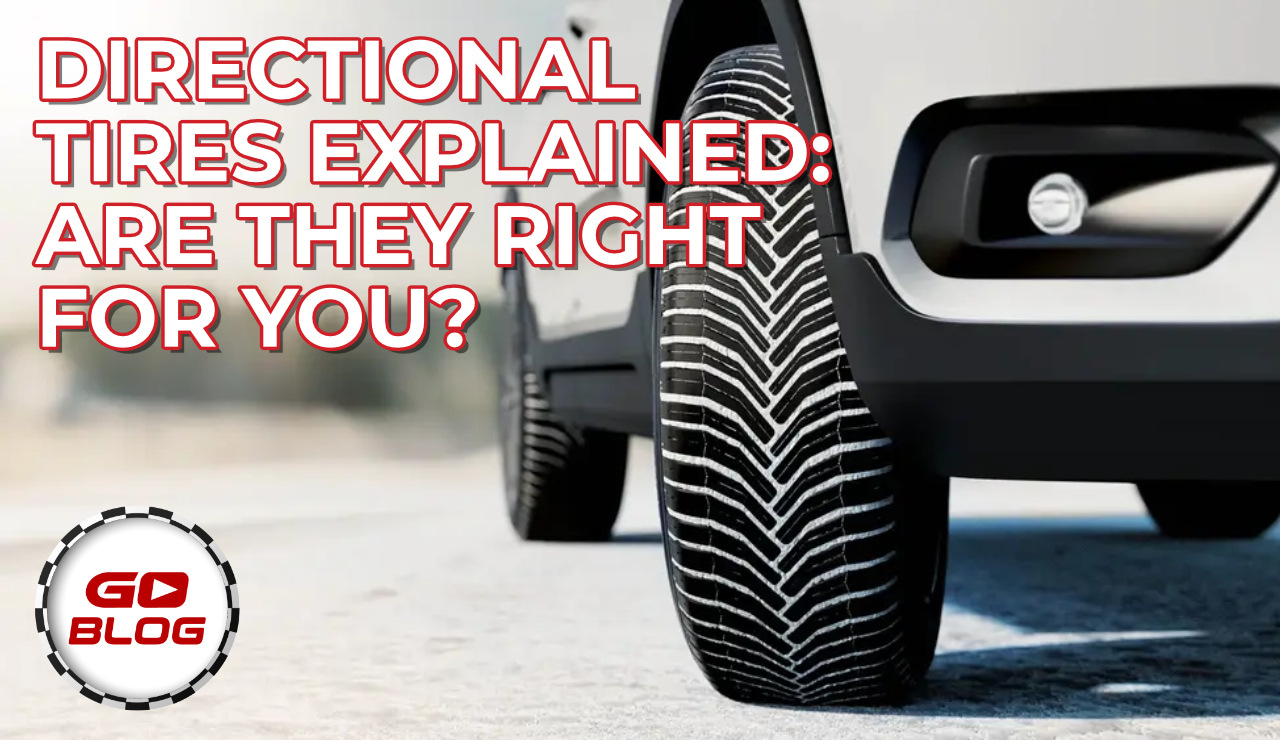
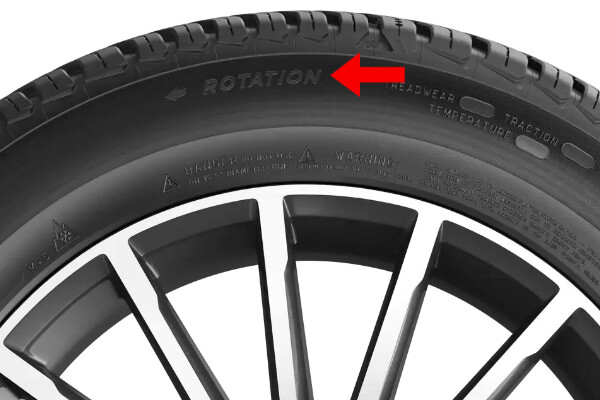
Have you ever noticed arrows stamped on the side of your tires and wondered what they’re for? They’re not just for show—those arrows are a key indicator that you’re rolling on directional tires. Designed for specific performance benefits, directional tires can make a big difference in how your vehicle handles, especially in wet or snowy conditions.
But are they right for you? Whether you’re a performance enthusiast, a daily commuter, or just curious about tire tech, this guide will help you understand what directional tires are, how they work, and whether they deserve a spot on your car.
What Are Directional Tires?
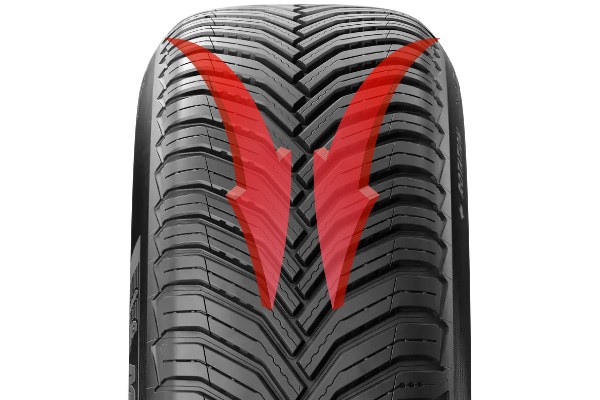
Directional tires, sometimes called unidirectional tires, are designed to rotate in a single direction. You’ll know you have them if you see arrows or triangles on the sidewall pointing in the correct rolling direction. The standout feature? Their unique tread pattern—usually V-shaped or arrow-like—which is crafted to channel water away from the tire’s center.
This design isn’t just about aesthetics. It’s engineered to enhance performance, particularly in wet or snowy conditions. By effectively pushing water out from under the tire, directional tires help maintain better contact with the road, reducing the risk of hydroplaning.
How Do Directional Tires Work?
The secret to directional tires lies in their tread design. The V-shaped grooves act like funnels, directing water outward and away from the tire’s contact patch. This means your car stays more firmly planted on wet roads, offering better grip and control.
But it’s not just about wet weather. Directional tires also enhance high-speed stability and cornering precision. Because they’re optimized to rotate in one direction, they reduce rolling resistance, improving fuel efficiency and performance. This makes them a popular choice for sports cars and performance vehicles where every bit of handling and speed matters.
Pros and Cons of Directional Tires
Pros:
- Outstanding Wet Weather Performance: Their tread design makes them ideal for rainy climates, offering excellent grip and reducing the chance of hydroplaning.
- Improved Handling and Stability: Perfect for high-speed driving, directional tires deliver precise cornering and stability on the highway.
- Sporty, Aggressive Look: That distinctive V-shaped tread isn’t just functional—it adds a bold, performance-ready look to your ride.
Cons:
- Rotation Limitations: Unlike standard tires, directional tires can only be rotated front-to-back, not side-to-side. This can lead to uneven wear if not managed properly.
- Higher Price Point: The advanced design and materials typically make directional tires more expensive than their symmetrical counterparts.
- Not for Everyone: If you primarily drive in dry conditions or don’t push your car’s performance limits, you may not fully benefit from what directional tires offer.

Do You Need Directional Tires?
The big question: Are directional tires a must-have for your vehicle?
- If You’re a Performance Enthusiast: Drive a sports car or love taking those sharp corners at speed? Directional tires will enhance your driving experience with better grip and stability.
- If You Live in Wet or Snowy Areas: For those facing frequent rain or snow, the hydroplaning resistance and traction of directional tires are hard to beat.
- If You’re a Daily Commuter: If your driving is mostly city streets or highways in dry conditions, you might not need the specialized performance of directional tires. In this case, symmetrical or asymmetrical tires could be a better, more budget-friendly choice.
- Considering Your Budget: Directional tires are an investment. Make sure the performance benefits align with your driving habits and needs.
Final Thoughts: Choosing the Right Tires for You
When it comes to tires, one size definitely doesn’t fit all. Directional tires offer top-notch performance in wet conditions and for high-speed driving, but they’re not necessarily the best fit for every driver or budget. The key is understanding your driving habits, climate, and vehicle type.
Still not sure what’s best for your ride? Our team at WheelSetGo is here to help! Give us a call at 320-247-6160 or explore our wide selection of directional and standard tires online. We’ll make sure you find the perfect match to keep you rolling safely and smoothly.